Many people in Naples experience persistent leg pain, tingling, or numbness that seems to originate from their lower back. These symptoms often point to either a herniated disc or sciatica, but the terms are frequently misunderstood or used interchangeably. In reality, they refer to related but distinct conditions. Knowing the difference between a herniated disc and sciatica is crucial for seeking the right care and finding relief.
A herniated disc occurs when one of the rubbery cushions between the spinal vertebrae slips out of place or ruptures, pressing on nearby nerves. Sciatica, on the other hand, refers to a specific type of nerve pain that radiates along the sciatic nerve pathway, typically affecting one side of the body. While a herniated disc can cause sciatica, not all cases of sciatica stem from disc problems.
By gaining a clear understanding of herniated disc vs sciatica, Naples patients can better communicate with their healthcare providers, leading to more accurate diagnoses and effective treatment plans. Let’s explore the symptoms, causes, and treatment options for each to help you take control of your spinal health.
Recognizing the Symptoms of a Herniated Disc
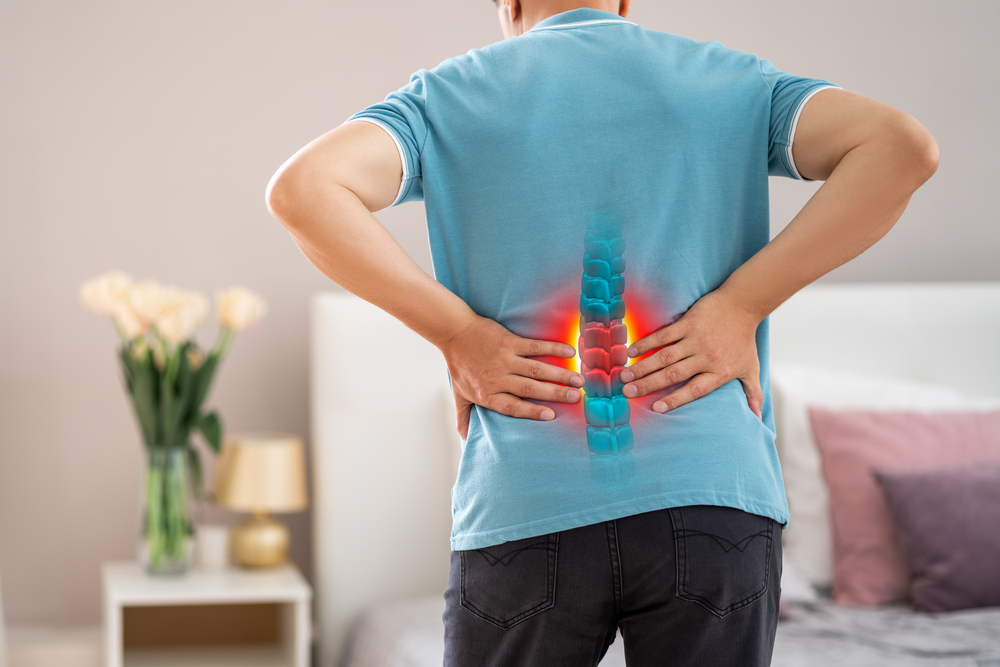
A herniated disc, also called a slipped or ruptured disc, occurs when the soft inner gel of a spinal disc leaks through its tougher outer shell. This can irritate nearby spinal nerves, leading to a variety of symptoms. The most common location for disc herniation is in the lumbar spine, or lower back.
Patients in Naples often notice localized back pain first, followed by pain that radiates into the leg. The nature of the pain depends on which nerve is affected. If the herniated disc presses on the sciatic nerve, it can trigger sciatica. However, pain can also affect the hips, thighs, or even the foot. Other symptoms may include muscle weakness, numbness, or a tingling sensation in the affected leg.
In some cases, a herniated disc may not cause noticeable symptoms at all. However, when nerve compression becomes severe, it can lead to significant leg pain from back issues, sometimes limiting mobility and daily activities. A proper diagnosis at a spinal nerve pain clinic is essential for determining the extent of the damage and creating an effective treatment plan.
Understanding Sciatica and Its Causes
Sciatica is a set of symptoms resulting from irritation of the sciatic nerve, which is the longest nerve in the human body. It runs from the lower spine through the buttocks and down each leg. When this nerve is compressed or inflamed, patients experience sharp, burning, or shooting pain that typically radiates from the lower back into one leg. In some cases, sciatica can also lead to numbness or muscle weakness in the affected leg.
While a herniated disc is one of the most common causes of sciatica, other conditions can also lead to sciatic nerve compression. These include spinal stenosis, degenerative disc disease, spondylolisthesis, or even muscle spasms in the piriformis muscle. For patients in Naples, lifestyle factors such as prolonged sitting, heavy lifting, or poor posture may also contribute to the development of sciatica.
Because sciatica is a symptom rather than a standalone condition, identifying the root cause is critical. A thorough examination at a Naples-based spinal nerve pain clinic can help determine if the source is a herniated disc or another spinal issue. From there, targeted treatments can address both the pain and its origin.
Diagnosis and Evaluation in Naples
Accurate diagnosis is the cornerstone of effective care. For patients dealing with leg pain from back issues in Naples, diagnostic steps typically begin with a detailed medical history and physical examination. Physicians often perform neurological assessments to evaluate muscle strength, reflexes, and sensitivity to pinpoint the affected nerve roots.
Imaging tests such as MRI or CT scans are commonly used to confirm the presence of a herniated disc or to assess other potential sources of sciatic nerve compression. These images provide a clear view of spinal structures and help determine the exact location and severity of the problem.
In Naples, patients benefit from access to advanced diagnostics and specialized care at spinal nerve pain clinics. These facilities are equipped to differentiate between a herniated disc and sciatica, ensuring that the root cause is accurately identified. This distinction is essential because treating the symptoms alone, without addressing the underlying issue, may only offer temporary relief.
Effective Treatments for Nerve Compression in Naples, FL
Once the cause of leg pain is identified, the next step is developing a customized treatment plan. For many Naples patients, conservative treatments are effective in managing symptoms and promoting healing. These include physical therapy, nonsteroidal anti-inflammatory drugs (NSAIDs), and targeted exercises to improve flexibility and reduce pressure on the nerves.
For herniated disc cases, physical therapy often focuses on strengthening the muscles that support the spine, improving posture, and reducing inflammation. Pain relief can be enhanced through manual therapy or spinal traction techniques offered at specialized clinics.
When sciatica stems from nerve compression unrelated to disc herniation, treatment may involve addressing the specific cause. For instance, if piriformis syndrome is the culprit, stretching and muscle-release techniques may be prioritized.
In cases where conservative measures do not provide relief, more advanced nerve compression treatment options in Naples, FL may be considered. These could include epidural steroid injections to reduce inflammation or, in more severe cases, surgical intervention to remove or repair the herniated disc.
Choosing a spinal nerve pain clinic with experience in both herniated disc and sciatica management ensures that Naples patients receive comprehensive care tailored to their specific condition. This approach not only alleviates pain but also promotes long-term spinal health and reduces the risk of recurrence.
Conclusion
Living with leg pain that originates in the back can be both physically and emotionally draining. For many patients in Naples, distinguishing between a herniated disc and sciatica is the first step toward finding meaningful relief. While the symptoms can be similar, the causes and treatments may differ, making accurate diagnosis essential.
By understanding the relationship between herniated disc vs sciatica, individuals can make informed decisions about their care. Whether the solution involves conservative therapy, advanced medical interventions, or lifestyle adjustments, the key lies in working with knowledgeable providers at a trusted spinal nerve pain clinic.
With timely diagnosis and appropriate treatment, Naples residents can restore mobility, reduce discomfort, and regain control over their quality of life. If you are experiencing leg pain from back issues, seek expert evaluation and explore your options for nerve compression treatment in Naples, FL today.
Need an Expert Chiropractor Near You?
At Feel Amazing Spine and Joint Institute, we’re proud to provide superior chiropractic care in Naples, Florida, led by board-certified chiropractic neurologist Richard Hiler, DC, DABCN, and our highly trained team. Whether you’re dealing with whiplash, auto injuries, balance disorders, scoliosis, neck or back pain, joint discomfort, nerve pain, or other frustrating symptoms, we’re here with cutting-edge treatments and innovative solutions designed around your needs. Reach out to us today and let us help you move better, feel stronger, and get back to living comfortably; it’s time to Feel Amazing!
Millions of Americans suffer from peripheral neuropathy. This chronic nerve condition ranges in severity from mild tingling to pain, muscle weakness and loss of physical abilities. When your brain or spinal cord are damaged, the body is no longer able to process sensory information appropriately. This can result in hundreds of types of neuropathy.
Neuropathy symptoms include tingling or numbness in the hands and feet, but when left untreated, can spread and worsen over time. Here’s what causes peripheral neuropathy in Bonita Springs, FL—read on for more information about treatment options:
Autoimmune disorders: HIV, rheumatoid arthritis, lupus and other autoimmune disorders can cause neuropathy. If you have been diagnosed with one of these disorders, you have a higher-than-normal chance of developing neuropathy. Talk to your doctors about the chances as well as what you can do to help prevent it.
Alcoholism: Alcoholism reduces your body’s ability to absorb and process vitamins, which causes neuropathy. If you’re a heavy drinker, you may experience neuropathy symptoms throughout your life.
Genetic disorders: There are many genetic disorders that will cause peripheral neuropathy, or make it more likely that you will develop the disease. This nerve damage creates pain in the muscles and extremities.
Medications: Certain medications may treat one issue while damaging your nervous system. This results in neuropathy. Chemotherapy is the most widely recognized medication that can cause neuropathy.
Diabetes: About 50 percent of people who have diabetes develop neuropathy of some type. If you have diabetes, it’s important that you work with your doctor to form a prevention plan. It may not be able to entirely prevent peripheral neuropathy, but you should be able to reduce symptoms.
Vitamin deficiency: Finally, vitamin deficiency puts you at risk for neuropathy. You need to make sure you’re getting appropriate levels of vitamins B1, B6, B12 and E to maintain healthy nerves.
Treatment for neuropathy
There is help available for neuropathy, even if your medical doctor says there’s nothing that can be done. Working with a certified neurologist can help you discover the right approach to peripheral neuropathy treatment in Bonita Springs, FL. Whenever possible, addressing the root cause of the symptoms will make a huge difference—that is, make sure you stop drinking alcohol, get the right amount of vitamins and consider changing your medications if possible.
Once you’ve worked with your medical doctor and neurologist on reducing the root cause of your neuropathy, your neurologist can recommend a course of treatment. Some people benefit from red LED light or low-level infrared light therapy, which heal and regenerate the small nerve endings in your hands and feet. You might also try electrical stimulation therapy, which sends gentle electric pulses around the nerves. This will help improve nerve function, increase your range of movement and reduce pain.
Your neurologist may also recommend lifestyle changes and vitamin supplements to help speed your progress.
To schedule an appointment with a neurologist, call Hiler Chiropractic & Neurology in Bonita Springs, FL today. We’ll work with you to form a treatment plan to address your peripheral neuropathy.
Back pain can happen to everyone, regardless of age, health conditions and athletic activity. Although arthritis can certainly cause or contribute to back pain, so can car accidents, sports injuries and other incidents. The only way to find out the true source of your back pain is to consult a medical professional. Depending on your condition, there may be a number of therapies available, including PRP treatment in Naples, FL.
Arthritis and back pain
Arthritis can affect the back when you go through muscle inflammation or cartilage breakdown. Usually, the lower back is affected, but arthritis can attack any part of the spine. The stiffness, swelling and pain associated with arthritis often affect the bones, joints and muscles. This can be an excruciating and degenerative condition.
Osteoarthritis
Osteoarthritis is also known as lumbar disc degeneration, which commonly causes lower back and leg pain. Chronic lower back pain is usually the first indication that you have this degenerative disease. The back pain may come and go, but it will often present after long periods of sitting, standing or physical activity. The older you get, the more often the episodes will happen—they may also last longer and involve more intense pain. This can make it very difficult to live with osteoarthritis, and many people aren’t good candidates for surgery. This is why many older patients look for alternative treatments to improve their quality of life.
Could PRP therapy be right for your back pain?
Since arthritis is so painful, many patients find it difficult to engage in everyday activities like move, walk and even sleep. One of the most effective treatments for arthritis is PRP therapy, or platelet-rich plasma therapy. This treatment uses your blood’s natural healing mechanisms to help reduce pain and heal problem areas. The patient’s blood is drawn and concentrated via centrifuge so it’s as rich in platelets as possible.
Then the plasma is injected directly into or around the joints and muscles, which should decrease cartilage damage, improve joint function and reduce the pain that comes with osteoarthritis. Since the plasma comes directly from your own body, there’s no risk of complications or rejection. As long as you’re working with a skilled and licensed professional, this is a safe and relatively easy way to address your symptoms. The injections are minimally invasive, and most patients report very little, if any pain.
PRP therapy can vary in effectiveness, but most patients report a reduction in symptoms and an improvement in their overall quality of life. Other treatments, like VAX-D spinal decompression, may be used instead of or in addition to PRP therapy.
If you’re interested in exploring PRP treatment in Naples, FL, reach out to the experts at Hiler Chiropractic & Neurology/ Feel Amazing Institute today. Our experienced team will be happy to discuss the process, side effects and cost of treatment with you so you can make the right decision for your needs. Let us help you find a safe solution to your back pain when you call today to schedule your appointment!
Most people think of adults when they think of chiropractic treatment. Back pain is common in adulthood, whether it’s from an injury, car accident or something else entirely. However, children can benefit from chiropractic care as well. Your medical doctor will check your children’s spines during their regular checkups, which can catch scoliosis (curvature of the spine) early. Chiropractic care in Naples, FL can also help parents stay on top of their child’s spinal health.
Chiropractic treatment is as safe and effective for children as it is for adults. While young children are far less likely to suffer from the kind of back and neck pain that adults often have, their spinal health can still benefit from adjustments and check-ups. Here are some of the benefits your child can receive:
Better sleep: Even kids can suffer from muscle pain and tension. One of the biggest benefits of relieving that tension is that it will improve your child’s ability to relax and go to sleep. They’ll also stay asleep longer, and get better rest overall. As you know, a good night’s sleep is crucial to good performance in school and sports, as well as their general quality of life.
Treats a number of health concerns: In addition to pain and muscle tension, chiropractic treatment may also help improve the symptoms and root causes of colic, scoliosis, sports injuries, allergies, digestive issues, headaches, asthma and even ADHD, Asperger syndrome and more.
Better mood and attitude: When you feel good, you’re much less likely to act out—that goes for everyone, especially children. Helping relieve their physical pain and improve their overall comfort will affect every facet of their lives. This generally results in a better mood and attitude.
Improved immune system: When your child’s nervous system is focused on an injury or strain, it can’t work with the immune system as it normally does. These two systems are intrinsically linked. When the nervous system is out of balance, your child is more vulnerable to bacteria, viruses and other ailments. Treating their back and neck pain will help improve their immune system’s function.
Drug-free treatment: Finally, your child can get pain relief and adjustments without needing drugs. Few parents want to give their child any medication that’s not absolutely necessary, which is why chiropractic adjustments are so helpful. They’re safe, effective and do not require the use of medications.
Chiropractic care can be performed on infants and children, all the way through adulthood and old age. If your child is complaining of back and neck pain or other ailments, take them to see a children’s chiropractor in Naples, FL. They’ll help address any existing problems, and check to make sure your child’s spine is developing normally through the years.
If you’re interested in learning more about the benefits of chiropractic and neurological treatment for your children, reach out to the team at Hiler Chiropractic & Neurology/ Feel Amazing Institute today. We offer a variety of alternative and holistic treatments to address a wide range of conditions.
If you’ve been referred to a neurologist in Bonita Springs, FL, or are considering seeking a diagnosis, you probably have an issue with your nervous system. Neurologists treat brain, spinal cord, peripheral nerve and muscle disorders. There are over 600 neurological conditions currently recognized, including strokes, Alzheimer’s and Parkinson’s disease.
Getting help from a neurologist can help cut down on the chronic pain that often accompanies neurological disorders, and can help you improve your overall quality of life. Here’s what to expect when you visit a neurologist.
Conditions a neurologist can diagnose and treat
Neurologists treat conditions related to the nervous system, whether they involve your brain and spinal cord or your peripheral nerves and muscles. Some of the most common conditions we treat at Hiler Chiropractic & Neurology/ Feel Amazing Institute include peripheral neuropathy, back pain, Sciatica, carpal tunnel syndrome, brain and spinal injury, balance problems, vertigo, dizziness, headaches, and pinched nerves.
Preliminary examination and diagnosis
Before you can receive treatment, your chiropractic neurologist will perform a thorough examination. This will determine where the neurological disorder comes from and which disorder(s) you may have. This includes non-invasive, pain-free tests of your reflexes, strength, ability to feel touch, temperature, or vibration, coordination and balance.
Once the preliminary examination is finished, your neurologist will likely know which conditions you have. Then they can help outline a plan for treatment.
Peripheral neuropathy treatment
Peripheral neuropathy is a common disorder that can result in weakness, limited muscle movement, numbness and pain. This is due to damage in the brain, spinal cord and peripheral nerves.
If you’re diagnosed with peripheral neuropathy, your neurologist may recommend low-level infrared light therapy, electrical therapies, vibration therapies, or regenerative medicine including stem cell allografts, PRP, or ozone therapy. This treatment helps improve circulation and allows the damaged nerve endings to heal on their own. Your neurologist may also recommend treatments to improve balance, circulation, nerve function and the brain-body connection.
What to expect from treatment
Generally, patients who undergo neurology treatment may experience a reduction in pain, increased balance and coordination and better range of movement. They may also notice reduction in swelling, inflammation, spasms, cramps, numbness and tingling. Many patients are also able to reduce their dependence on pain medications.
General cost
Hiler Chiropractic & Neurology/ Feel Amazing Institute is happy to work with your insurance. Costs vary depending on which diagnosis you receive, how long the treatment will last and what kind of treatment you receive. Your insurance company may cover all, part or none of the cost of treatment. However, many patients with peripheral neuropathy start to feel a difference in as little as two weeks.
To find out more about treatments, diagnoses and cost, call Hiler Chiropractic & Neurology/ Feel Amazing Institute today. Let an experienced chiropractor neurologist in Naples, FL help you take control of your disorder and get you the relief you need!