
Sciatica can make even simple daily activities feel difficult, whether you are walking through your neighborhood, golfing, or spending time on the beach. For many people in Naples, FL, pain that starts in the lower back and radiates down the leg can become a frustrating cycle that affects work, recreation, and overall quality of life.
Quick Answer
Sciatica is nerve pain caused by irritation or compression of the sciatic nerve, which runs from the lower back through the hips and down each leg. The most common causes include herniated discs, spinal stenosis, degenerative disc disease, and muscle tightness. Many people can find lasting relief through conservative, non-surgical treatments that address the underlying cause rather than simply masking symptoms.
What Local Readers Should Know
- Sciatica often begins with lower back pain that radiates into one leg, sometimes reaching the foot.
- Active lifestyles in Naples, including golf, tennis, pickleball, boating, and walking, can sometimes aggravate existing spinal conditions.
- Older adults throughout Collier County may experience sciatica due to age-related changes in the spine.
- Early evaluation can help identify the underlying cause before symptoms become more severe or persistent.
- Many cases respond well to non-surgical treatment when addressed before chronic nerve irritation develops.
Why This Matters Locally
Sciatica affects people of all ages, but it is especially common in communities with active retirees and adults who enjoy outdoor recreation. Residents throughout Naples, Pelican Bay, Park Shore, Old Naples, North Naples, and nearby Bonita Springs often maintain active lifestyles that place regular demands on the spine.
Long hours driving along Interstate 75, repetitive bending during gardening, or frequent rounds of golf can all aggravate existing spinal problems. Recognizing the early signs of sciatica allows many people to seek treatment before pain significantly limits mobility or independence.
At Feel Amazing Spine and Joint Institute, we understand how important it is to help local patients stay active without relying on surgery whenever possible. Our goal is to identify the source of nerve irritation and recommend the most appropriate conservative treatment options.
Local Data or Field Observations
Sciatica is one of the most common forms of nerve pain treated in spine and musculoskeletal practices. While every patient’s condition is unique, our field observations show that many individuals delay seeking care because they assume leg pain is simply part of aging or overuse. Unfortunately, waiting too long may allow inflammation and nerve irritation to become more difficult to manage.
Local Impact
Sciatica can interfere with nearly every part of daily life. Pain may make it difficult to enjoy a walk along Naples Pier, complete household chores, travel comfortably, or participate in favorite recreational activities.
Persistent nerve irritation may also affect sleep quality, balance, and overall mobility. For working adults, prolonged sitting can worsen symptoms throughout the day, while retirees may find it harder to maintain the active lifestyle they enjoy throughout Southwest Florida.
What Causes Sciatica?
Sciatica develops when the sciatic nerve becomes irritated or compressed. The specific cause determines which treatment options are most likely to provide lasting relief.
Herniated Disc
A bulging or herniated spinal disc is one of the most common causes of sciatica. Disc material can press against nearby nerve roots, creating pain, numbness, tingling, or weakness that travels down the leg.
Degenerative Disc Disease
As spinal discs naturally lose hydration with age, they become less effective at cushioning the vertebrae. This degeneration may contribute to inflammation and narrowing around spinal nerves.
Spinal Stenosis
Spinal stenosis occurs when spaces within the spine become narrower, placing pressure on nerves. This condition is especially common among older adults.
Piriformis Syndrome
The piriformis muscle, located deep within the buttock, can occasionally irritate the sciatic nerve. Muscle tightness, overuse, or prolonged sitting may contribute to this condition.
Spondylolisthesis
When one vertebra shifts forward over another, nearby nerve roots may become compressed, producing symptoms consistent with sciatica.
Warning Signs
Sciatica often presents with recognizable symptoms that should not be ignored.
- Pain that radiates from the lower back into one leg
- Burning or sharp pain traveling through the buttock
- Tingling or numbness in the leg or foot
- Muscle weakness in the affected leg
- Pain that worsens while sitting
- Discomfort during coughing or sneezing
- Difficulty standing for extended periods
- Changes in walking pattern due to pain
When to Call a Professional
Sciatica should be evaluated if symptoms persist for more than a few weeks, continue worsening, or begin interfering with daily activities.
Immediate medical attention is important if severe leg weakness develops or if bowel or bladder control changes occur, as these symptoms may indicate a more serious spinal condition.
Early evaluation helps determine whether conservative treatment is appropriate or whether additional imaging or specialist care may be necessary.
Common Local Causes
Several lifestyle factors commonly seen throughout Naples may contribute to sciatica symptoms.
Active Recreation
Golf, pickleball, tennis, cycling, and boating all place repetitive stress on the lower back, particularly when flexibility or core strength has declined.
Prolonged Sitting
Long drives, office work, and extended travel can increase pressure on spinal discs and aggravate existing nerve irritation.
Age-Related Changes
Many residents throughout Collier County experience gradual spinal degeneration that increases the likelihood of nerve compression.
Poor Movement Mechanics
Improper lifting techniques during home improvement projects or gardening can trigger acute disc injuries that lead to sciatica.
Prevention and Maintenance
Although not every case can be prevented, several habits may reduce the likelihood of recurring sciatica.
- Maintain regular stretching for the hips and hamstrings.
- Strengthen the core muscles that support the spine.
- Practice proper lifting mechanics.
- Avoid prolonged sitting whenever possible.
- Stay physically active with exercises appropriate for your condition.
- Address recurring back pain before it progresses into nerve symptoms.
Expected Results
Many patients experience meaningful improvement with conservative treatment once the underlying cause is properly identified.
Depending on the diagnosis, treatment may focus on reducing inflammation, improving spinal alignment, restoring mobility, strengthening supportive muscles, and reducing pressure on irritated nerves. Recovery timelines vary according to the severity and duration of symptoms.
Common Mistakes
Waiting Too Long
Ignoring persistent leg pain may allow nerve irritation to worsen. Early evaluation often provides more treatment options.
Treating Only the Symptoms
Relying solely on pain medication may provide temporary relief without addressing the underlying cause.
Returning to Activity Too Quickly
Resuming strenuous exercise before healing has progressed may aggravate symptoms and prolong recovery.
Assuming Surgery Is the Only Option
Many patients improve with conservative care and never require surgical intervention.
Common Local Scenario
A Naples resident begins noticing lower back pain after spending several weekends gardening and golfing. Over the next few weeks, pain starts traveling into one leg, making it uncomfortable to walk long distances or sit through dinner. Rather than continuing to hope the symptoms disappear, the individual seeks an evaluation to identify the underlying cause and begin conservative treatment before the condition progresses further.
Related Service Solutions
Treatment recommendations depend on the source of sciatic nerve irritation. Conservative options may include comprehensive spinal evaluations, non-surgical spine care, rehabilitation exercises, manual therapies, and other evidence-based approaches designed to improve function while reducing pain.
Comparing Your Options
| Option |
Best For |
Considerations |
| Self-care |
Mild, short-term symptoms |
May not resolve underlying nerve compression |
| Conservative professional treatment |
Most sciatica cases |
Focuses on identifying and treating the root cause |
| Surgical evaluation |
Severe or progressive neurological symptoms |
Typically considered after appropriate evaluation or when conservative care is not suitable |
Service Areas
We proudly serve patients throughout Naples, North Naples, Bonita Springs, Estero, Golden Gate, and surrounding communities across Collier County and Southwest Florida. Our goal is to help local residents regain comfort and mobility through personalized, non-surgical care whenever appropriate.
Cost of Ignoring the Issue
Persistent sciatica may become more difficult to treat if nerve irritation continues over time. Delaying evaluation can lead to worsening pain, reduced mobility, muscle weakness, and decreased participation in work, hobbies, and everyday activities.
Frequently Asked Questions
What does sciatica feel like?
Sciatica usually causes sharp, burning, or radiating pain that travels from the lower back through the buttock and down one leg. Many people also experience numbness, tingling, or weakness.
Is sciatica common in Naples?
Yes. Many adults in Naples experience sciatica due to age-related spinal changes, active recreational lifestyles, and repetitive movements associated with golf, gardening, and other outdoor activities.
Can sciatica go away without surgery?
Yes. Many people improve with conservative treatment that focuses on reducing nerve irritation, improving mobility, and addressing the underlying cause of the condition.
When should I seek treatment for sciatica in Naples?
You should schedule an evaluation if symptoms last more than a few weeks, continue worsening, or interfere with work, sleep, walking, or daily activities.
What causes sciatica in older adults throughout Collier County?
Age-related disc degeneration, spinal stenosis, arthritis, and reduced spinal flexibility are among the most common contributors to sciatica in older adults.
Can exercise help relieve sciatica?
Yes. Appropriate stretching and strengthening exercises often play an important role in recovery, although the right program depends on the underlying cause of the nerve irritation.
Closing
Sciatica is more than just back pain. Because it involves irritation of the body’s largest nerve, identifying the true source of the problem is the key to finding lasting relief. With early evaluation and the right conservative treatment plan, many people can reduce pain, improve mobility, and return to the activities they enjoy throughout Naples and the surrounding communities.
Find Lasting Relief From Sciatica Without Surgery
You do not have to let persistent nerve pain limit your lifestyle. Contact us today to schedule your evaluation and discover personalized, non-surgical treatment options designed to help you move comfortably again.
If you have ever felt that sharp, shooting pain radiating from your lower back down through your leg, you already know how disruptive sciatica can be. But for many people, the real frustration is not the first episode. It is the second, the third, and the seemingly endless cycle of flare-ups that follow. You rest, you recover, you feel better, and then it comes back again.
Understanding why sciatica keeps returning is the first step toward breaking free from that cycle, and for residents dealing with chronic sciatica treatment in Naples, there are specialists who have made it their mission to deliver lasting relief.
Why Sciatica Is a Recurring Problem
Sciatica is not a condition unto itself. It is a symptom, and that distinction matters enormously when it comes to long-term sciatica solutions. The sciatic nerve is the longest nerve in the human body, running from the lower spine through the hips and buttocks and down each leg. When something compresses or irritates that nerve, the pain, numbness, tingling, or weakness that follows is what we call sciatica.
The reason it keeps coming back usually has everything to do with the underlying cause never being fully addressed. Common culprits include herniated discs, spinal stenosis, degenerative disc disease, piriformis syndrome, and poor postural habits that place repeated stress on the lumbar spine. When someone experiences a flare-up, the typical response is rest and over-the-counter pain relief. Those approaches manage the symptoms temporarily, but they do not correct the mechanical or structural issues driving the nerve irritation in the first place. The moment normal activity resumes, the same stressors return, and so does the pain.
Lifestyle factors also play a significant role. Prolonged sitting, weak core muscles, excess body weight, and repetitive movements at work or during exercise can all contribute to recurring sciatica. Without a comprehensive plan that accounts for these variables, even the most well-intentioned treatment will only offer short-term relief.
What Most People Get Wrong About Treating Sciatica
One of the biggest mistakes people make is treating every episode of sciatica the same way. In reality, recurring sciatica relief requires a completely different approach from acute care. When the pain first arrives, the priority is reducing inflammation and getting you functional again. But once that immediate crisis has passed, a different and more thorough strategy needs to take over.
Many patients cycle through the same routine: pain flares up, they visit a primary care physician, they receive a prescription for anti-inflammatories or muscle relaxants, and they are told to rest. This approach is not wrong in the short term, but it is incomplete. Without identifying why the nerve is being compressed and addressing that root cause through targeted therapy, the body simply resets to its problematic baseline. A few weeks later, one wrong movement triggers the cycle all over again.
Another common error is stopping treatment too soon. Once the pain subsides, people naturally feel they are healed and abandon their rehabilitation exercises or specialist appointments. This is precisely when the most important work should be happening, because the tissues and structures around the spine are still vulnerable and the habits that contributed to the problem have not yet been corrected.
How Back and Leg Pain Specialists in Naples Take a Different Approach
Back and leg pain specialists in Naples understand that sciatica is a complex, multifactorial condition that demands more than a one-size-fits-all solution. Rather than simply treating the pain as it presents, experienced specialists conduct thorough diagnostic evaluations to identify the precise source of nerve compression and the contributing factors that allow it to persist.
This typically begins with a detailed patient history and physical examination, often followed by imaging such as MRI or X-ray to get a clear picture of the spinal structures involved. From there, a personalized treatment plan is developed that may incorporate physical therapy, chiropractic care, regenerative medicine, interventional pain procedures such as epidural steroid injections, or a combination of these approaches depending on the patient’s specific needs.
What sets Naples specialists apart is their emphasis on continuity of care. Rather than sending patients home with a pamphlet of stretches after a single appointment, they remain actively involved throughout the recovery process. Progress is monitored, treatment plans are adjusted as needed, and patients are educated on the biomechanical principles that will help them maintain their gains long after formal treatment has concluded. This level of engagement is what separates temporary relief from genuine, long-term sciatica solutions.
The Role of Rehabilitation and Prevention in Stopping the Cycle
Even the most advanced interventions will not deliver lasting results without a strong rehabilitation component. This is a cornerstone of chronic sciatica treatment in Naples, and it reflects a growing understanding in the medical community that passive treatment alone is insufficient for managing recurring conditions.
Rehabilitation for sciatica focuses on strengthening the muscles that support the lumbar spine, improving flexibility in the hips and hamstrings, and correcting postural imbalances that place undue stress on the lower back. Core stability training is particularly important, as the deep muscles of the abdomen and back serve as a natural corset for the spine. When those muscles are weak or poorly coordinated, the spine is left more vulnerable to the disc and joint changes that lead to nerve compression.
Prevention goes hand in hand with rehabilitation. Specialists help patients identify and modify the habits and activities that repeatedly trigger their symptoms. This might involve ergonomic adjustments at a workstation, guidance on safe exercise techniques, or education about body mechanics during everyday tasks like lifting, bending, and prolonged sitting. For patients in Naples who lead active outdoor lifestyles, this kind of sport-specific or activity-specific coaching can make an enormous difference in keeping sciatica at bay.
The psychological dimension of chronic pain is also increasingly recognized as part of the picture. Living with recurring pain affects mood, sleep, and overall well-being, and those effects in turn can heighten pain sensitivity. A holistic treatment approach that acknowledges this mind-body connection tends to produce better outcomes than one focused solely on the physical.
When to Seek Specialist Care for Recurring Sciatica
If you have had more than one episode of sciatica, or if your current episode has lasted longer than six weeks without meaningful improvement, it is time to move beyond general practitioners and seek out back and leg pain specialists in Naples who focus specifically on spinal conditions and nerve-related pain.
Red flags that warrant urgent specialist attention include loss of bladder or bowel control, progressive weakness in the legs, or pain so severe that it prevents sleep or basic functioning. These symptoms may indicate a more serious level of nerve involvement that requires prompt intervention.
For everyone else dealing with that frustrating cycle of recurring sciatica relief followed by relapse, the message is clear: persistence pays off, but only when the treatment addresses the real problem. Imaging studies, specialist diagnosis, and a comprehensive care plan tailored to your anatomy and lifestyle are not luxuries. They are necessities for anyone serious about ending the cycle for good.
Conclusion
Sciatica does not have to be a life sentence of recurring pain and interrupted activity. By seeking out the right chronic sciatica treatment in Naples and committing to a plan that addresses the root cause rather than just the symptoms, lasting relief is entirely achievable. Naples has no shortage of skilled back and leg pain specialists ready to help you stop the cycle and reclaim your quality of life.
Need an Expert Chiropractor Near You?
At Feel Amazing Spine and Joint Institute, we’re proud to provide superior chiropractic care in Naples, Florida, led by board-certified chiropractic neurologist Richard Hiler, DC, DABCN, and our highly trained team. Whether you’re dealing with whiplash, auto injuries, balance disorders, scoliosis, neck or back pain, joint discomfort, nerve pain, or other frustrating symptoms, we’re here with cutting-edge treatments and innovative solutions designed around your needs. Reach out to us today and let us help you move better, feel stronger, and get back to living comfortably; it’s time to Feel Amazing!

Many people in Naples experience persistent leg pain, tingling, or numbness that seems to originate from their lower back. These symptoms often point to either a herniated disc or sciatica, but the terms are frequently misunderstood or used interchangeably. In reality, they refer to related but distinct conditions. Knowing the difference between a herniated disc and sciatica is crucial for seeking the right care and finding relief.
A herniated disc occurs when one of the rubbery cushions between the spinal vertebrae slips out of place or ruptures, pressing on nearby nerves. Sciatica, on the other hand, refers to a specific type of nerve pain that radiates along the sciatic nerve pathway, typically affecting one side of the body. While a herniated disc can cause sciatica, not all cases of sciatica stem from disc problems.
By gaining a clear understanding of herniated disc vs sciatica, Naples patients can better communicate with their healthcare providers, leading to more accurate diagnoses and effective treatment plans. Let’s explore the symptoms, causes, and treatment options for each to help you take control of your spinal health.
Recognizing the Symptoms of a Herniated Disc
A herniated disc, also called a slipped or ruptured disc, occurs when the soft inner gel of a spinal disc leaks through its tougher outer shell. This can irritate nearby spinal nerves, leading to a variety of symptoms. The most common location for disc herniation is in the lumbar spine, or lower back.
Patients in Naples often notice localized back pain first, followed by pain that radiates into the leg. The nature of the pain depends on which nerve is affected. If the herniated disc presses on the sciatic nerve, it can trigger sciatica. However, pain can also affect the hips, thighs, or even the foot. Other symptoms may include muscle weakness, numbness, or a tingling sensation in the affected leg.
In some cases, a herniated disc may not cause noticeable symptoms at all. However, when nerve compression becomes severe, it can lead to significant leg pain from back issues, sometimes limiting mobility and daily activities. A proper diagnosis at a spinal nerve pain clinic is essential for determining the extent of the damage and creating an effective treatment plan.
Understanding Sciatica and Its Causes
Sciatica is a set of symptoms resulting from irritation of the sciatic nerve, which is the longest nerve in the human body. It runs from the lower spine through the buttocks and down each leg. When this nerve is compressed or inflamed, patients experience sharp, burning, or shooting pain that typically radiates from the lower back into one leg. In some cases, sciatica can also lead to numbness or muscle weakness in the affected leg.
While a herniated disc is one of the most common causes of sciatica, other conditions can also lead to sciatic nerve compression. These include spinal stenosis, degenerative disc disease, spondylolisthesis, or even muscle spasms in the piriformis muscle. For patients in Naples, lifestyle factors such as prolonged sitting, heavy lifting, or poor posture may also contribute to the development of sciatica.
Because sciatica is a symptom rather than a standalone condition, identifying the root cause is critical. A thorough examination at a Naples-based spinal nerve pain clinic can help determine if the source is a herniated disc or another spinal issue. From there, targeted treatments can address both the pain and its origin.
Diagnosis and Evaluation in Naples
Accurate diagnosis is the cornerstone of effective care. For patients dealing with leg pain from back issues in Naples, diagnostic steps typically begin with a detailed medical history and physical examination. Physicians often perform neurological assessments to evaluate muscle strength, reflexes, and sensitivity to pinpoint the affected nerve roots.
Imaging tests such as MRI or CT scans are commonly used to confirm the presence of a herniated disc or to assess other potential sources of sciatic nerve compression. These images provide a clear view of spinal structures and help determine the exact location and severity of the problem.
In Naples, patients benefit from access to advanced diagnostics and specialized care at spinal nerve pain clinics. These facilities are equipped to differentiate between a herniated disc and sciatica, ensuring that the root cause is accurately identified. This distinction is essential because treating the symptoms alone, without addressing the underlying issue, may only offer temporary relief.
Effective Treatments for Nerve Compression in Naples, FL
Once the cause of leg pain is identified, the next step is developing a customized treatment plan. For many Naples patients, conservative treatments are effective in managing symptoms and promoting healing. These include physical therapy, nonsteroidal anti-inflammatory drugs (NSAIDs), and targeted exercises to improve flexibility and reduce pressure on the nerves.
For herniated disc cases, physical therapy often focuses on strengthening the muscles that support the spine, improving posture, and reducing inflammation. Pain relief can be enhanced through manual therapy or spinal traction techniques offered at specialized clinics.
When sciatica stems from nerve compression unrelated to disc herniation, treatment may involve addressing the specific cause. For instance, if piriformis syndrome is the culprit, stretching and muscle-release techniques may be prioritized.
In cases where conservative measures do not provide relief, more advanced nerve compression treatment options in Naples, FL may be considered. These could include epidural steroid injections to reduce inflammation or, in more severe cases, surgical intervention to remove or repair the herniated disc.
Choosing a spinal nerve pain clinic with experience in both herniated disc and sciatica management ensures that Naples patients receive comprehensive care tailored to their specific condition. This approach not only alleviates pain but also promotes long-term spinal health and reduces the risk of recurrence.
Conclusion
Living with leg pain that originates in the back can be both physically and emotionally draining. For many patients in Naples, distinguishing between a herniated disc and sciatica is the first step toward finding meaningful relief. While the symptoms can be similar, the causes and treatments may differ, making accurate diagnosis essential.
By understanding the relationship between herniated disc vs sciatica, individuals can make informed decisions about their care. Whether the solution involves conservative therapy, advanced medical interventions, or lifestyle adjustments, the key lies in working with knowledgeable providers at a trusted spinal nerve pain clinic.
With timely diagnosis and appropriate treatment, Naples residents can restore mobility, reduce discomfort, and regain control over their quality of life. If you are experiencing leg pain from back issues, seek expert evaluation and explore your options for nerve compression treatment in Naples, FL today.
Need an Expert Chiropractor Near You?
At Feel Amazing Spine and Joint Institute, we’re proud to provide superior chiropractic care in Naples, Florida, led by board-certified chiropractic neurologist Richard Hiler, DC, DABCN, and our highly trained team. Whether you’re dealing with whiplash, auto injuries, balance disorders, scoliosis, neck or back pain, joint discomfort, nerve pain, or other frustrating symptoms, we’re here with cutting-edge treatments and innovative solutions designed around your needs. Reach out to us today and let us help you move better, feel stronger, and get back to living comfortably; it’s time to Feel Amazing!
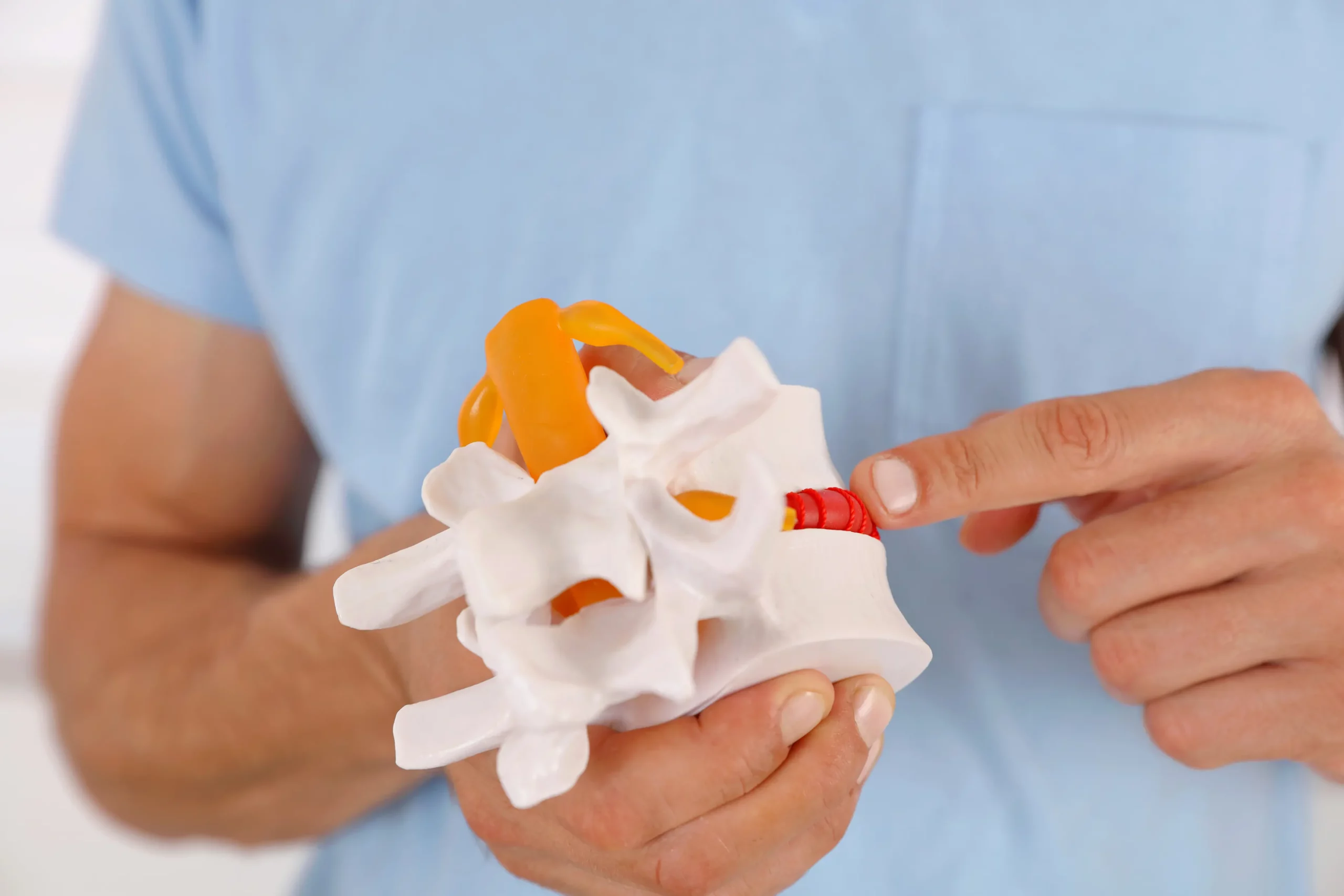
Are tingling, numbness, and general nerve pain causing problems in your leg? These are the symptoms of sciatica, a nerve condition that can have long-term complications if left untreated. Thankfully, there are steps you can take to get the symptoms of sciatica back under control. Spinal decompression therapy at Hiler Chiropractic & Neurology is a good option for anyone suffering from sciatica in Naples, and a few weeks of treatment can relieve your symptoms for good.
What is Sciatica?
Though not a medical diagnosis, sciatica is a term used to describe the symptoms that can occur when the sciatic nerve in the back of the leg is compromised in some way. Common symptoms can include tingling, numbness, sharp pains, or weakness on one side of your leg. This pain tends to come and go, but the symptoms can be debilitating in the long run.
The causes of sciatica pain is usually linked to irritation with the lower lumbar and lumbosacral spine. Degenerative disc disease can also lead to complications, especially if the cartilage cushions between the vertebrae begin to break down.
What are Common Options for Sciatica Treatment?
Medication is often used to relieve the pain caused by sciatica. Over the counter medications like Aspirin or Advil can give temporary relief, and prescription muscle relaxants can ease muscle spasms to prevent the nerve from being pinched.
Often, therapeutic treatment with a chiropractor is the best way to achieve long-term sciatic pain relief. This process often involves removing pressure from the nerve, either through exercise, realigning your spinal column to remove pinching, or other methods like traction or spinal decompression therapy. Even a few weeks of treatment can make a major difference in sciatica pain, meaning that visiting a specialist for sciatica treatment is essential for your overall wellbeing.
How Does Spinal Decompression Therapy Help Sciatica Pain?
For those with chronic sciatica, spinal decompression (known as vertebral axial decompression or VAX-D) is an innovative method for long-term relief. The process involves stretching out the spine to relieve pain and promote overall healing through the use of belts, harnesses, and computerized mechanical table. Each treatment includes sliding the lower body back and forth between traction and relaxation to increase nutrient flow to the vertebrae and possibly relieve tension on discs and on the sciatic nerve.
In most cases, spinal decompression therapy takes roughly thirty minutes per session, and results are usually felt within the first few weeks of treatment.
Interested in seeing what spinal decompression therapy can do for your sciatica pain? Hiler Chiropractic & Neurology in Naples offers this service. We want to work with you to help you find relief for your symptoms so that you can live without nerve pain. To learn more, you can contact us here or book an appointment. We look forward to treating you soon.